What Is Dental Bonding?
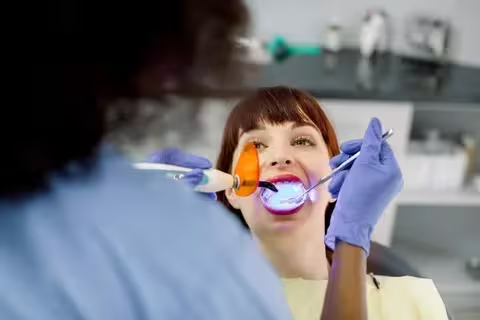
You can fix a chipped tooth or can fill the gap between teeth. Dental bonding Dubai may be the right option for you. The dental bond will give an appearance like natural teeth because the tooth-colored composite resin is bonded to the tooth and sculpted into the desired shape. Composite resin materials are safe; they can be used in direct contact with teeth. These treatments are frequently used in dental restorations and can be used in direct contact with the tooth. In the 21st Century, we provide treatment to our patients, and they feel better, and treatments are effective for them.
A Simple Cosmetic Procedure
A simple composite procedure starts with assessing the tooth area, then preparing the site for the composite procedure. All these steps are taken before carrying out the dental bonding Dubai procedure.
Ideal for Minor Dental Flaws
What can dental bonding Dubai do? It can help with appropriate treatment for minor flaws, which include chips and gaps with worn edges. Another benefit of this treatment is improving irregularities in the tooth’s shape. At first, the dentist must examine the cause and extent of the flaws in this type of restoration.
How Dental Bonding Can Fix Chips and Gaps
A chipped front tooth can often detract from the shape of a smile, whereas a small gap can make the teeth look uneven. The composite resin allows the dentist to make selective additions to the tooth without the need for indirect, lab-made restorations.
Restoration for Small Dental Chips
The dentist can apply the composite resin to the site of the defect and shape it so that it blends in with the rest of the tooth; the material can then be cured and polished to give the repaired tooth a natural appearance.
Closing Narrow Gaps Between Teeth
Dental bonding Dubai can also be used to close minor gaps between teeth. Your dentist, however, will have to evaluate the alignment of your bite, the position of teeth, the condition of the gums, and the size of the gap before beginning the procedure.
What to Expect From Dental Bonding Dubai
Dental bonding can often be performed right in the dentist’s office. It is not usual for direct treatments such as resin bonding to require the use of a dental laboratory, unlike indirect restorations.
The Procedure
To begin with, your dentist will select a shade of composite resin that matches the color of your teeth and prepare the tooth surface so the restoration can be placed; this is followed by layering the resin before shaping, curing, and polishing it.
How Long Will the Restored Tooth Last?
The period during which a bonded restoration can last depends on where it was placed, how someone bites down, how well they care for their teeth, bad habits such as biting nails or pencils, and whether the tooth was broken while chewing hard foods. A composite filling can fracture under high chewing pressure.
Is Dental Bonding Right for You?
This dental bonding Dubai process is a suitable, less-invasive option for restoring minor dental flaws. That being said, it may not be suitable for larger fractures, irregularities, or certain bite problems.
Your Dentist Should Evaluate the Affected Tooth
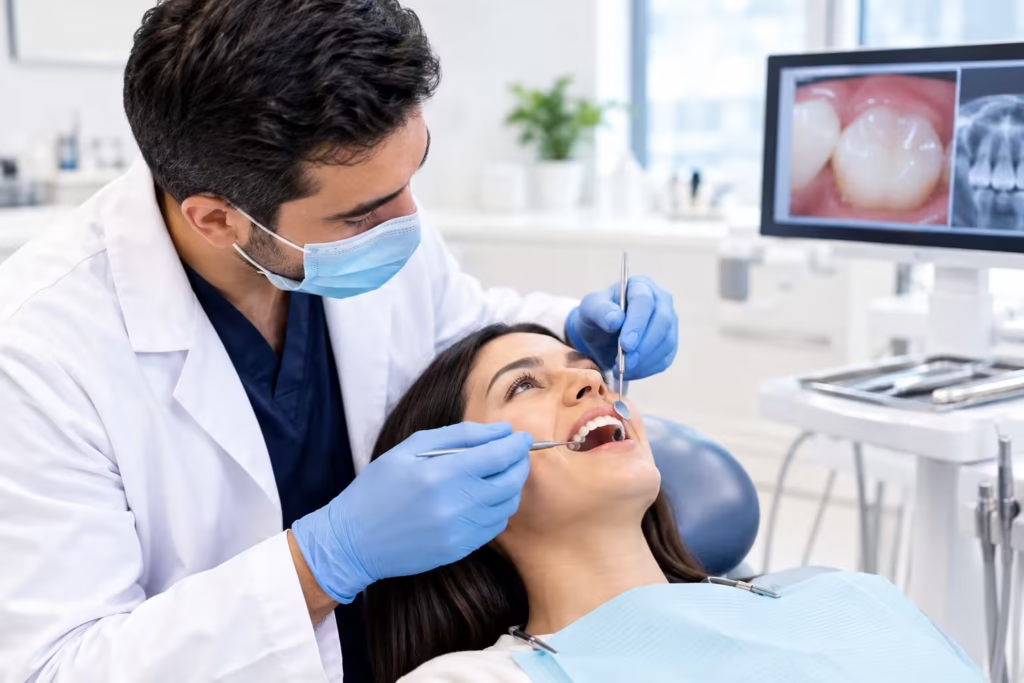
A dental examination will allow your dentist to determine whether bonding is suitable or whether a restoration would be more appropriate for the tooth in question. The treatment you receive should be based on your oral health condition and your expectations regarding the restoration.
Proper Aftercare Is Key
Treatment is not enough; you should continue to brush and floss your teeth properly during treatment, and avoid placing unnecessary stress on the repaired tooth while undergoing treatment. You can revisit the dentist if the restoration becomes chipped, rough, or worn.
Conclusion
Dental bonding Dubai is a practical solution for a variety of minor dental flaws, that can be chips, narrow gaps, and irregular tooth shapes. The 21st Century team helps many patients recover from their problems. You can speak with our dental professional about your dental concerns and whether composite bonding is a viable solution for your needs. You can ask or visit our clinic for more information.
FAQs
1. What is dental bonding?
Dental bonding uses tooth-colored composite resin to repair or reshape a tooth. A dentist places the material directly on the tooth and cures it with a special light. The material is then shaped and polished.
2. Can dental bonding fix a chipped tooth?
Yes, dental bonding can help to repair many small chips. The dentist adds composite resin to the affected area and shapes it to match the tooth. Larger fractures may require a different treatment.
3. Can dental bonding close gaps between teeth?
Dental bonding can close some small gaps between teeth. Your dentist must first assess the gap and your bite. Larger spaces may require orthodontic or restorative treatment.
4. Is dental bonding painful?
Dental bonding is usually a comfortable procedure. Many cases do not require extensive tooth preparation. Your dentist can explain whether you need any form of anesthesia based on your specific case.
5. How long does dental bonding last?
The lifespan can vary based on your bite, oral care, and daily habits. Composite resin can wear or fracture under strong force. Regular dental visits can help your dentist assess the condition of the repair.
6. Does dental bonding look natural?
A dentist can select a resin shade that closely matches your natural teeth. The material can also be shaped to follow the form of the tooth. A proper polish can help the repaired area blend with your smile.
7. Is dental bonding better than veneers?
Neither option is automatically better for every patient. Bonding may suit minor cosmetic changes, while veneers can suit certain larger or longer-term cosmetic goals. Your dentist can help you compare both options based on your teeth.
8. Where can I get dental bonding in Dubai?
You can consult a qualified dental professional at 21st Century to assess your teeth and discuss suitable treatment options. The dentist can determine whether dental bonding is appropriate for your chip, gap, or tooth-shape concern. A personal examination is the best way to choose the right treatment.